The Critical Role of Maintaining Proper Temperature in Everyday Life
- ourhedgelife
- Feb 28
- 3 min read
Temperature affects almost every aspect of daily living, from the food we eat to the environments where we work and rest. Maintaining the right temperature is not just about comfort; it plays a vital role in health, safety, and efficiency. This post explores why proper temperature control matters and how it impacts various areas of life.
Why Temperature Matters for Health and Comfort
Our bodies rely on a stable internal temperature to function properly. When the environment is too hot or too cold, it forces the body to work harder to maintain balance. This can lead to discomfort, fatigue, or even serious health problems.
Cold environments can cause hypothermia, frostbite, and worsen chronic conditions like arthritis.
Hot environments increase the risk of heat exhaustion, dehydration, and heat stroke.
Indoor temperature also affects sleep quality. Studies show that a bedroom temperature between 60 and 67 degrees Fahrenheit (15.5 to 19.5 degrees Celsius) helps people fall asleep faster and enjoy deeper rest. Proper temperature control in living spaces supports well-being and productivity.
Temperature Control in Food Safety
Food safety depends heavily on maintaining proper temperature during storage, preparation, and cooking. Bacteria multiply rapidly in the "danger zone" between 40°F and 140°F (4°C to 60°C). Keeping food out of this range prevents foodborne illnesses.
Refrigerators should be set at or below 40°F (4°C).
Freezers must maintain 0°F (-18°C) or lower.
Cooking temperatures vary by food type but generally must reach at least 165°F (74°C) to kill harmful bacteria.
Restaurants, grocery stores, and home kitchens all rely on precise temperature control to keep food safe. Even small lapses can lead to contamination and health risks.
Temperature’s Role in Preserving Medicines and Vaccines
Many medicines and vaccines require strict temperature conditions to remain effective. For example, vaccines often need refrigeration between 35°F and 46°F (2°C to 8°C). If exposed to higher or lower temperatures, they can lose potency.
Pharmacies and healthcare providers use specialized refrigerators and monitoring systems to ensure these products stay within safe temperature ranges. This careful control protects public health by ensuring treatments work as intended.
Impact on Electronics and Technology
Electronic devices generate heat during operation and can malfunction or shorten their lifespan if they overheat. Proper cooling systems, such as fans or air conditioning, help maintain safe operating temperatures.
Data centers, where servers run continuously, require precise temperature and humidity control to avoid equipment failure. Even home computers and smartphones perform better and last longer when kept cool.
Temperature and Energy Efficiency
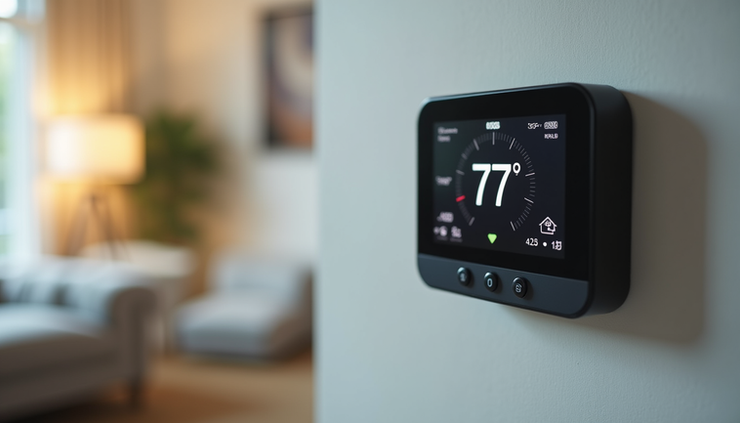
Maintaining proper temperature also affects energy consumption. Overheating or overcooling spaces wastes energy and increases utility bills. Smart thermostats and insulation help regulate indoor temperatures efficiently.
Setting thermostats to recommended temperatures reduces unnecessary heating or cooling.
Using programmable thermostats adjusts temperature based on occupancy and time of day.
Proper insulation and sealing prevent heat loss in winter and heat gain in summer.
These measures not only save money but also reduce environmental impact by lowering energy use.

Temperature in Industrial and Manufacturing Processes
Many industrial processes depend on precise temperature control to ensure product quality and safety. For example:
Chemical reactions often require specific temperatures to proceed correctly.
Food processing plants use heat treatments like pasteurization to kill bacteria.
Metalworking involves controlled heating and cooling to shape materials.
Failure to maintain proper temperature can lead to defective products, safety hazards, and financial losses.
Everyday Tips for Maintaining Proper Temperature
Here are practical steps anyone can take to manage temperature effectively:
Use a reliable thermometer to monitor indoor temperature.
Adjust heating and cooling systems seasonally.
Keep windows and doors sealed to prevent drafts.
Use fans or ventilation to circulate air.
Store perishable foods promptly in the refrigerator or freezer.
Follow storage instructions for medicines and vaccines.
Avoid placing electronics in direct sunlight or near heat sources.
These simple actions help protect health, save energy, and extend the life of belongings.


Comments